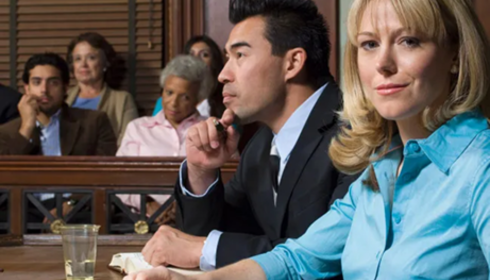
Courtrooms have always been theaters of persuasion, where the outcome often hinges on how convincingly each side can present its version of the truth. But in today’s world of complex industries, fast-changing technology, and ever-evolving regulations, persuasion alone isn’t enough. Juries and judges demand clarity. They want facts explained, not just argued. This is where expert witness services step into the spotlight, giving attorneys a way to turn complicated evidence into something that feels both understandable and trustworthy.
The Role of an Expert Witness in a Changing Landscape
When most people think of expert witnesses, they picture a scientist in a lab coat or maybe a financial analyst rattling off numbers. But the role has expanded. These professionals can be engineers, doctors, cybersecurity analysts, construction specialists, or even niche consultants who’ve spent decades in very specific industries.
What makes them so valuable isn’t just their qualifications. It’s their ability to translate complexity into language that resonates with non-experts. A judge doesn’t want a chemistry lesson. A jury doesn’t want a software demo. They want explanations that stick. A good expert can distill years of study and practice into an analogy, a chart, or even a single sentence that makes a technical point crystal clear.
Why Litigation Teams Lean on More Than Just Lawyers
Attorneys are master storytellers and strategists. But even the sharpest litigator can’t double as a medical specialist one day and a structural engineer the next. That’s where outside help comes in. Modern cases are rarely “simple.” Whether it’s a dispute over intellectual property or a personal injury case involving medical malpractice, the details often stretch beyond a lawyer’s training.
That’s why firms increasingly invest in litigation support services. These services go beyond just finding experts. They provide behind-the-scenes analysis, trial preparation, and even assistance in organizing complex datasets into something usable. Imagine trying to sift through years of financial records or medical data without help—it’s a recipe for missed details and weaker arguments. Litigation support fills that gap, making sure lawyers walk into court armed with every possible advantage.
The Matchmaking Side of the Equation
Finding the right expert isn’t as simple as flipping through a directory. The stakes are high. An expert who sounds brilliant in theory but fumbles under cross-examination can do more harm than good. That’s why some legal teams rely on an expert witness matching service. These services act like a bridge, pairing attorneys with professionals who don’t just have the right credentials, but also the right courtroom presence.
Think of it like casting for a role in a play. The character might be written well, but the actor has to embody it convincingly for the audience to believe it. In the same way, a top-tier matching service ensures the expert has both technical depth and the ability to communicate with clarity and confidence.
A Human Side to Expert Testimony
It’s easy to think of expert witnesses as purely technical assets, like hired calculators or reference books with a voice. But the human side matters just as much. Jurors, after all, are people. They’re influenced by tone, body language, and how genuine someone seems on the stand.
A calm doctor explaining medical procedures in relatable terms, or an engineer who can tell a story about how a structure fails, often leaves a deeper impression than a pile of charts ever could. And while opposing counsel will try to poke holes in their testimony, a good expert can hold firm, staying professional under fire. That poise doesn’t just add credibility to the testimony—it strengthens the entire case.
How Technology Is Shaping the Field
One interesting trend is how digital tools are changing the game. Today’s experts don’t just show up with a stack of papers. They use 3D models, animated reconstructions, and even virtual simulations to demonstrate their points. Imagine a jury being shown a crash reconstruction not as a list of physics equations but as an actual animation of the accident. Suddenly, the evidence isn’t abstract—it’s real and visible.
This is where litigation support blends with technology. Firms offering these services aren’t just handing over a binder of documents; they’re packaging information in a way that makes it compelling and digestible. It’s storytelling with data, and it’s proving to be incredibly effective.
Challenges That Haven’t Gone Away
Of course, the rise of expert testimony hasn’t solved every problem. Courts still have to balance the value of expert evidence against the risk of overwhelming juries with too much detail. Judges sometimes exclude experts if their methods aren’t considered reliable, or if their testimony veers too far into advocacy instead of objective explanation.
There’s also the issue of cost. Hiring a seasoned expert isn’t cheap, and smaller firms sometimes struggle to afford the level of support larger firms can access. This has sparked a growing conversation about how to make expert testimony more accessible without sacrificing quality.
Real-World Impact: Beyond Just Winning Cases
It’s worth noting that the influence of experts doesn’t end at the courtroom door. Their testimony can shape public perception, influence future regulations, and even change industry standards. A case involving a defective medical device, for instance, might not just result in compensation for the injured party—it could also push manufacturers to improve safety across the board.
That ripple effect underscores just how much weight expert voices can carry. They’re not just helping one side win a case; they’re sometimes driving change on a larger scale.
The Future of Expert Involvement
Looking ahead, it seems likely that expert testimony will only grow in importance. As industries become more specialized and technology weaves itself deeper into our daily lives, legal disputes will keep getting more technical. From AI ethics to blockchain contracts, tomorrow’s courtrooms will need professionals who can bridge the gap between cutting-edge fields and everyday understanding.
For attorneys, that means cultivating relationships not just with experts, but with the networks and services that connect them. The days of treating experts as occasional add-ons are fading fast. They’re becoming essential partners in the legal process.
Closing Thoughts
At the end of the day, trials aren’t just about facts—they’re about how those facts are presented, understood, and believed. Lawyers bring the narrative. Experts bring the credibility. Litigation support ensures the machinery behind the scenes keeps everything running smoothly.
It’s a three-part partnership that, when done well, doesn’t just win cases—it reinforces the fairness of the justice system. And in a world where trust in institutions can feel shaky, that matters more than ever.