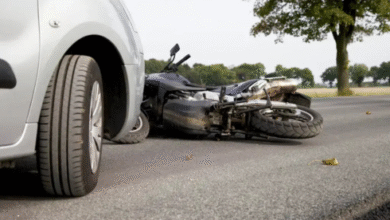
Soft Tissue Injuries After a Car Accident in Medicine Hat: Why Insurance Companies Undervalue Them


After a car accident in Medicine Hat, not all injuries are immediately visible. While broken bones and severe trauma often receive prompt attention, soft tissue injuries—such as sprains, strains, and whiplash—are frequently underestimated. Unfortunately, insurance companies often undervalue these claims, leaving many victims without the compensation they truly need.
Understanding why this happens—and how to protect your rights—can make a significant difference in your recovery.
What Are Soft Tissue Injuries?
Soft tissue injuries affect muscles, ligaments, and tendons rather than bones. Common examples after a car accident include:
- Whiplash (neck strain)
- Back and shoulder sprains
- Muscle tears
- Ligament injuries
These injuries are often caused by the sudden force of impact, even in low-speed collisions.
Why Soft Tissue Injuries Are Often Overlooked
One of the biggest challenges with soft tissue injuries is that they don’t always show up on standard imaging tests like X-rays. Symptoms may also take hours or days to appear.
This can lead to:
- Delayed diagnosis
- Underestimation of severity
- Gaps in medical documentation
Insurance companies may use these factors to question the legitimacy of your claim.
Why Insurance Companies Undervalue These Claims
Insurance providers are businesses focused on minimizing payouts. Soft tissue injury claims are often targeted for lower settlements for several reasons:
Lack of “Visible” Evidence
Unlike fractures or surgical injuries, soft tissue damage is harder to prove objectively. Without clear imaging results, insurers may argue that your injury is minor or unrelated to the accident.
Perception of Quick Recovery
There is a common misconception that soft tissue injuries heal quickly. In reality, some cases can lead to chronic pain, reduced mobility, and long-term discomfort.
Insurance companies may push for early settlements before the full extent of your injury is known.
Pre-Existing Condition Arguments
Insurers may claim that your pain is due to a pre-existing condition rather than the accident. This tactic is often used to reduce or deny compensation.
Delayed Treatment
If you didn’t seek medical attention immediately, the insurance company may argue that your injury isn’t serious—or wasn’t caused by the accident at all.
Minor Injury Regulation (MIR) Caps
In Alberta, certain soft tissue injuries fall under the Minor Injury Regulation, which places a cap on compensation for pain and suffering.
While this cap applies to “minor” injuries, disputes often arise over whether an injury truly qualifies as minor—especially if symptoms persist or worsen over time.
The Real Impact of Soft Tissue Injuries
Despite being labeled “minor,” soft tissue injuries can have serious consequences, including:
- Chronic neck or back pain
- Limited range of motion
- Difficulty working or performing daily tasks
- Emotional stress and reduced quality of life
In some cases, these injuries can last months—or even years—requiring ongoing treatment and rehabilitation.
How to Strengthen Your Claim
If you’ve suffered a soft tissue injury after a car accident, taking the right steps can help protect your claim:
Seek Medical Attention Immediately
Prompt diagnosis creates a clear link between the accident and your injury.
Follow Your Treatment Plan
Attend all medical appointments, physiotherapy sessions, and follow your doctor’s recommendations.
Document Your Symptoms
Keep a record of pain levels, limitations, and how the injury affects your daily life.
Avoid Early Settlement Offers
Insurance companies may offer quick settlements that don’t reflect long-term impacts. It’s important to fully understand your condition before accepting any offer.
Consult a Personal Injury Lawyer in Medicine Hat
Legal guidance can help ensure your injury is properly assessed and that you receive fair compensation.
When Is a Soft Tissue Injury Not “Minor”?
Not all soft tissue injuries fall under the Minor Injury Regulation. If your injury:
- Causes serious impairment
- Lasts longer than expected
- Affects your ability to work or function normally
…it may be classified as non-minor, allowing you to pursue higher compensation.
Determining this classification is often a key part of your claim.
How a Personal Injury Lawyer Can Help
A personal injury lawyer can:
- Gather medical evidence to support your claim
- Challenge insurance company assumptions
- Ensure your injury is properly classified
- Negotiate for fair compensation
- Represent you if your claim is disputed
This is especially important in soft tissue cases, where insurers often push back.
Final Thoughts
Soft tissue injuries after a car accident in Medicine Hat are often misunderstood—but their impact can be very real. Insurance companies may try to minimize these claims, but that doesn’t mean you should accept less than you deserve.
By understanding your rights and taking proactive steps, you can protect your claim and focus on your recovery.
Need Help with a Soft Tissue Injury Claim?
At AB Insurance Lawyer, we help clients in Medicine Hat and across Alberta navigate complex injury claims—including those involving soft tissue injuries. Our team is committed to ensuring you receive fair compensation based on the true impact of your injury.
Contact us today for a free consultation and let us help you move forward with confidence.